
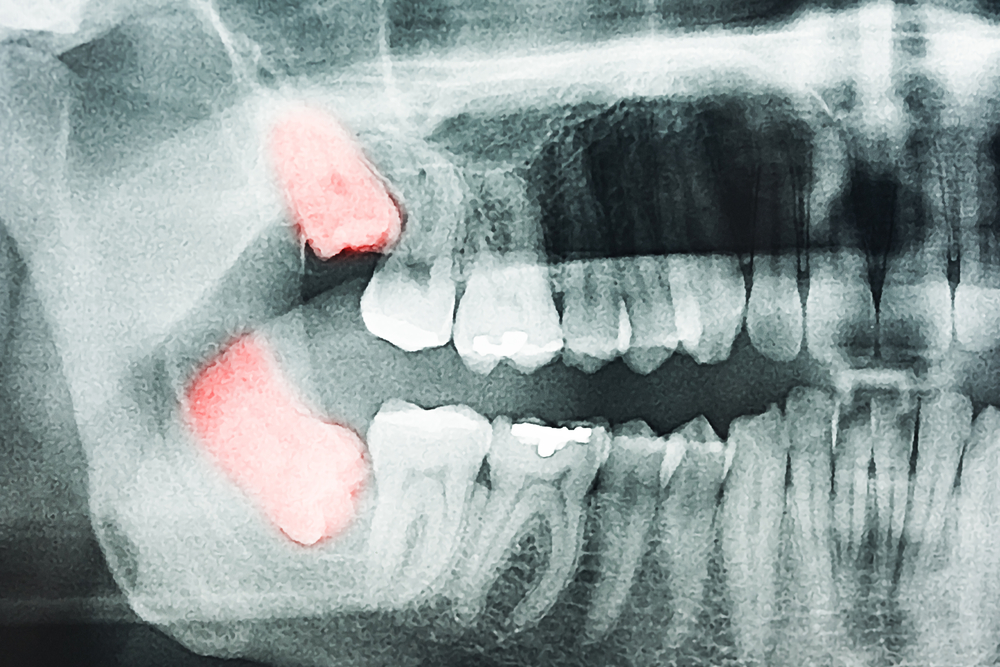
When to Act on Wisdom Teeth Extraction on the Danforth
Wisdom teeth typically emerge in early adulthood. While some people experience no issues, others face complications due to limited space, misalignment, or infection. Knowing when removal is necessary can help prevent long-term oral health problems. (Source: Colgate, When to consider wisdom teeth removal, https://www.colgate.com/en-gb/oral-health/wisdom-teeth/wisdom-teeth-symptoms-that-indicate-time-extraction).
“Discomfort around wisdom teeth is often dismissed as temporary, but timing matters. When pressure builds beneath the gums or teeth begin to shift, early attention can prevent more complex issues from developing later on, especially for those considering wisdom teeth surgery on the Danforth.”
Common Symptoms
Many individuals experience warning signs as wisdom teeth attempt to erupt. These symptoms can include jaw pain, swelling, gum tenderness, bad breath, or difficulty opening the mouth fully. In some cases, partially erupted teeth create pockets where bacteria can grow, leading to infection.
“Symptoms tend to escalate gradually rather than all at once. What starts as mild irritation can turn into persistent inflammation or infection. Recognizing these early patterns is key for anyone exploring wisdom teeth removal in the Danforth before complications intensify.”
Reasons for Extraction
Wisdom teeth are often removed due to impaction, crowding, decay, or risk of infection. Impacted teeth may grow at awkward angles or remain trapped beneath the gums, potentially affecting nearby teeth or bone structure. Even symptom-free wisdom teeth can sometimes pose future risks.
“One of the most overlooked factors is how wisdom teeth affect surrounding structures over time. Even without pain, subtle pressure can compromise alignment or create hard-to-clean areas, making wisdom teeth extraction on the Danforth a preventive consideration rather than a reactive one.”
Making the Decision
Deciding whether to remove wisdom teeth involves a combination of clinical examination, X-rays, and patient-specific factors such as age, oral health, and symptom severity. Dentists consider whether the teeth are likely to cause future complications.
“Age and positioning play a bigger role than many realize. Younger patients often recover faster, while certain tooth angles are more likely to lead to impaction. Weighing these factors carefully helps determine whether early wisdom teeth surgery on the Danforth is the more practical choice.”
What to Expect — Before the Procedure
Before surgery, patients typically undergo a consultation that includes imaging and a review of their medical history. Instructions may include fasting, arranging transportation, and discussing medications. Preparation ensures a smooth and safe procedure.
“Preparation is not just procedural, it’s strategic. Understanding your own health history and following pre-surgical guidelines can significantly reduce risks and improve recovery outcomes for those planning wisdom teeth surgery on the Danforth.”
Anaesthesia
Anaesthesia is selected based on the complexity of the extraction and the patient’s comfort needs. Local anaesthesia numbs the area, sedation helps patients relax, and general anaesthesia is used for more involved cases.
“Comfort during the procedure is closely tied to the right anaesthesia choice. Matching the level of sedation to the complexity of the extraction and patient preference can make the experience far more manageable than many expect.”
What to Expect — After the Procedure
Recovery typically involves swelling, mild discomfort, and limited jaw movement for a few days. Patients are advised to rest, follow a soft-food diet, and maintain proper oral hygiene while avoiding the surgical site.
“Healing is a short-term commitment that has long-term benefits. Proper aftercare, especially in the first 48 hours, plays a critical role in avoiding complications and ensuring a smoother recovery after wisdom teeth removal in the Danforth.”
When to Call Your Dentist or Surgeon
While recovery is usually straightforward, certain symptoms may require attention. These include severe pain, excessive bleeding, fever, or signs of infection or worsening swelling.
“It’s important to distinguish between normal healing and warning signs. Increasing pain rather than gradual improvement, or unusual swelling, can indicate the need for prompt evaluation following wisdom teeth extraction on the Danforth.”
Wisdom tooth removal is a common, often necessary procedure to protect long-term oral health. Recognizing symptoms, understanding the reasons for extraction, and knowing what to expect can help patients make informed decisions.
“When deciding whether to remove wisdom teeth, it’s important to weigh present symptoms against the potential for future problems. Taking a proactive approach can help individuals avoid more invasive treatments down the road while maintaining overall oral health with guidance from a dentist on the Danforth.”