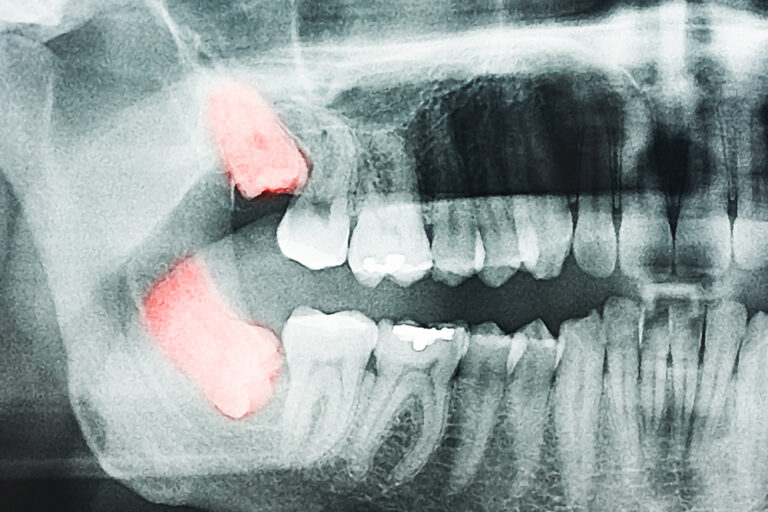

The Gradual Build-Up to Letting a Tooth Go — How Tooth Extraction on the Danforth Becomes the Next Step
Most people do not suddenly decide they need a tooth removed. The process is usually much quieter than that.
It often begins with something small. A little discomfort while chewing. Sensitivity during coffee sips or ice cream scoops. Maybe one side of the mouth starts feeling easier to use than the other. At first, these moments seem temporary, easy to ignore, or simply part of getting older.
Life keeps moving, so people adapt.
Over time, though, those tiny adjustments become part of everyday routine. That is often the slow lead-up to considering tooth extraction on the Danforth, not one dramatic moment.
The Quiet Habits People Develop
One of the most interesting parts of dental discomfort is how quickly people learn to work around it.
Without realizing it, many people begin:
- Chewing on one side only
- Avoiding crunchy foods
- Eating more slowly
- Skipping foods that feel harder to manage
- Drinking beverages at different temperatures
- Brushing gently around one specific area
These changes usually happen gradually. Someone may not even notice how many habits have shifted until they stop and think about it.
A visit to a general dentist on the Danforth often starts with these kinds of observations. Patients may mention they have “been careful with one tooth lately” or that they “just avoid chewing there now.”
Those small comments often reveal a much bigger story.
When Everyday Routines Start Revolving Around One Tooth
There comes a point when discomfort stops being occasional and starts shaping daily decisions.
People may begin choosing meals based on what feels manageable instead of what they actually want to eat. A favourite snack becomes inconvenient. Dining out requires extra thought. Some people even change how they smile in photos because they have become more aware of one side of their mouth.
None of this usually happens overnight.
That is what makes the path toward tooth extraction on the Danforth feel so personal for many people. The experience is tied to routines, comfort, confidence, and habits that slowly evolve over time.
The Emotional Side of Letting a Tooth Go
People do not always talk about the emotional side of extraction, but it exists.
A tooth may have been there through decades of daily life. People often hold the belief that every tooth should stay forever, if possible. Because of that, the thought of removing one can feel strange at first, even when the discomfort has been ongoing for quite some time.
Interestingly, many people spend far more energy adapting to the issue than they realize.
They become experts at avoiding pressure on one side. They automatically cut food differently. They think ahead before every meal without even noticing anymore.
Eventually, some people reach a point where continuing to adapt feels more exhausting than addressing the situation directly.
Why Extraction Sometimes Feels Like Moving Forward
In a modern dental clinic on the Danforth, conversations about extraction are often less dramatic than people expect.
By the time someone discusses removal, they have usually spent months or even years adjusting their daily habits. The decision often comes after a long period of reflection rather than one sudden event.
For many people, the shift happens mentally first.
Instead of viewing extraction as “losing” something, they begin viewing it as removing a source of constant adjustment. That perspective can change how the entire experience feels.
Rather than planning around discomfort every day, people begin thinking about returning to routines without the same level of caution.
The Small Realizations That Add Up
The lead-up to tooth extraction on the Danforth is often made up of ordinary moments, including:
- Realizing you always chew on the same side
- Avoiding certain foods automatically
- Feeling relief when pressure is removed from one area
- Noticing discomfort becoming part of normal life
- Catching yourself thinking about the tooth multiple times a day
These moments may seem minor individually, but together they build a larger picture over time.
A general dentist on the Danforth may hear these stories often because they reflect how people naturally adapt before making any major decision.
A Process, Not a Sudden Decision
One of the biggest misconceptions about extraction is that it happens impulsively.
In reality, most people arrive at the decision gradually. The process is often shaped by changing routines, small compromises, and ongoing awareness that builds over time.
That is why many people describe a sense of acceptance once the decision is made. After spending so long adapting to discomfort, taking the next step can feel less like a sudden change and more like closing a long chapter.
The journey toward tooth extraction on the Danforth is rarely about one bad day. More often, it is a slow progression of adjustments that quietly become part of everyday life.
People adapt in ways they hardly notice at first. They chew differently, avoid certain foods, or change small routines without much thought. Over time, those changes can add up until moving forward feels simpler than continuing to work around the issue.
In many cases, that is when the conversation begins at a modern dental clinic on the Danforth, not as a rushed decision, but as part of an ongoing personal process.